
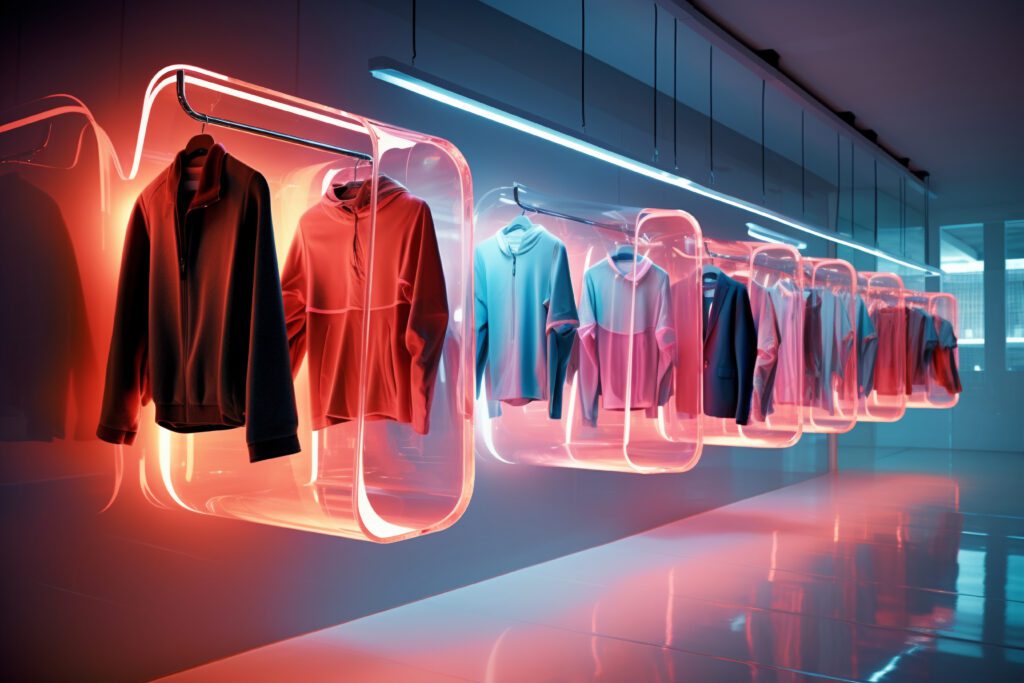
In a time when technology merges effortlessly with daily living, the fashion world is experiencing a revolution with the emergence of smart textiles. Among the most exciting advancements in this field is thermoregulating apparel—garments specifically engineered to keep body temperature within a desirable range, no matter the external environment. Whether you’re a sports person, an outdoor lover, or just someone who appreciates comfort, thermoregulating clothing is transforming our experience with fashion.
What Are Thermoregulating Smart Textiles?
Thermoregulating smart textiles are materials integrated with cutting-edge technologies designed to manage body temperature. In contrast to standard clothing that solely offers insulation, these garments adjust to changes in the environment, keeping the wearer warm during cold weather and cool when it’s hot. This innovation boosts comfort, minimizes the necessity for multiple layers, and enhances overall performance across various activities.
How Thermoregulating Clothing Works
Thermoregulating textiles function through various mechanisms, including:
- Phase Change Materials (PCMs): Phase Change Materials (PCMs) are materials that take in, hold, and emit heat as necessary. Typically made from waxes or natural compounds, these substances react to changes in temperature. As the body gets too warm, PCMs take in surplus heat, and when the temperature falls, they release the heat they’ve stored to maintain warmth for the wearer.
- Moisture-Wicking and Breathable Fabrics: Several thermoregulating clothing items feature moisture-wicking characteristics that draw sweat away from the body, encouraging quicker evaporation and cooling. Air-permeable fabrics, like mesh or specially designed textiles, facilitate airflow to avoid overheating.
- Infrared and Heat-Reflective Technology: Certain advanced fabrics incorporate infrared-responsive fibers that return body heat to the skin. This feature is especially beneficial in chilly weather, where it is important to stay warm without the weight of multiple layers.
- Embedded Sensors and AI Integration: The latest smart textiles include built-in sensors that track temperature, moisture levels, and heart rate. These sensors interact with AI-powered systems to modify the fabric’s thermal characteristics on-the-fly, creating a genuinely responsive experience.
Applications of Thermoregulating Clothing
Clothing designed for thermoregulatory purposes is more than a concept of the future; it is already being increasingly utilized across different sectors.
- Athletic and Performance Wear: Athletes gain advantages from temperature-control fabrics that improve endurance by maintaining a cool and dry environment for their bodies during strenuous exercise.
- Outdoor and Extreme Weather Gear: Outdoor enthusiasts such as hikers and mountaineers depend on thermoregulating jackets, gloves, and base layers to maintain comfort in changeable weather situations.
- Medical and Healthcare Wearables: Individuals with disorders that influence the regulation of body temperature, like multiple sclerosis, find relief from specially designed clothing that helps maintain their comfort.
- Everyday Fashion and Sleepwear: Smart textiles are increasingly being incorporated into daily garments, encompassing both professional wear and sleep apparel, to provide comfort in various situations.
The Future of Smart Textiles
As technology evolves, we can anticipate that thermoregulating garments will become increasingly advanced. The combination of AI, self-heating and cooling fabrics, along with eco-friendly bio-based materials, will continue to enhance comfort and utility. With rising consumer enthusiasm for wearable tech, it is clear that the future of fashion is smart—and thermoregulating textiles are at the forefront. Are you prepared to embrace the future of apparel? The upcoming generation of clothing isn’t solely about aesthetics; it’s about ensuring comfort, irrespective of where life leads you.