
The definition of a lifestyle brand is undergoing a quiet but powerful transformation. The most effective brands in the present day need to establish new standards that require them to create products that generate customer loyalty through their ability to transform social identity and provide a sense of distinct cultural heritage. A new wave of brands in the fashion, beauty, and design industries is emerging that focuses on maintaining a clear brand vision rather than pursuing business expansion.
The brands exist because they need more than mass appeal to become successful. The brands exist because their designers create products that connect with current consumer values that include sustainability, authenticity, and personal identity. The way they position themselves in the market today shows their unique business approach, which creates distinct products.
The selected group of 20 emerging lifestyle brands, which the collection showcases, has started to attract worldwide attention because of their unique point of view and their increasing market presence.
A New Wave of Fashion-Led Identity
The fashion industry is presently experiencing a shift toward minimalist design that emphasizes refined yet purposeful elements. Almada Label and Kallmeyer create modern clothing through their use of simple designs and their commitment to creating timeless beauty. Their appeal lies in longevity rather than trend cycles.
At the same time, labels such as Mashu and Aflalo create products that combine aesthetic value with functional utility through a sustainable design approach that maintains their luxurious appearance. Scandinavian influence is also shaping this space, with Birrot introducing a more structured, technical approach to minimalism.
These brands together represent a fashion movement that creates silent yet purposeful designs that maintain their value throughout time.
Beauty Rooted in Authenticity and Experience
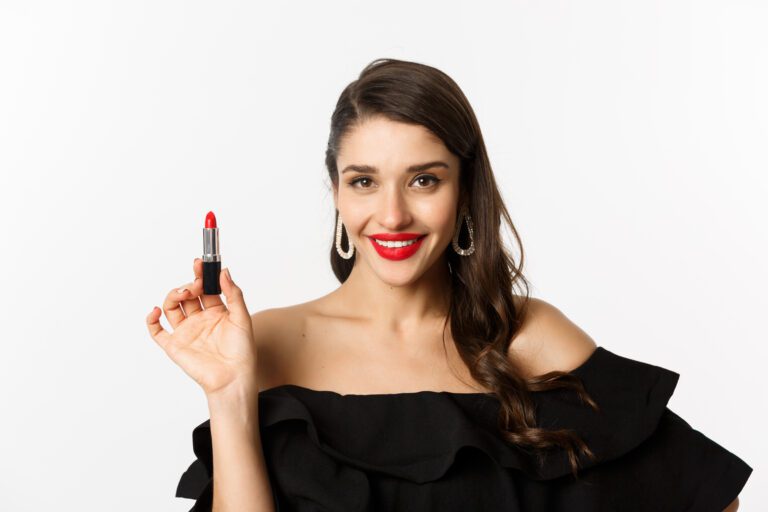
The beauty segment shows a matching evolutionary process. Emerging brands are moving away from purely aspirational messaging toward authenticity and transparency. Rare Beauty uses its identity to create an inclusive brand that establishes emotional connections, changing traditional methods of beauty communication.
The Beauty of Joseon brand creates a link between its heritage and contemporary skincare research to develop products that appeal to customers who want both traditional elements and effective results. Brands like Sweed Beauty and Tromborg emphasize natural aesthetics and simplicity, which shows the increasing trend for delicate and sophisticated beauty styles.
Sustainability functions as an essential aspect in this area, with UpCircle leading discussions about circular beauty and environmentally responsible resource procurement.
Design, Accessories, and Everyday Luxury
People define their current lifestyle through the specific elements that compose their daily routines. Brands in this area develop products that merge practical use with sophisticated design elements. The minimalist design of Verafied and Freja products attracts attention because their accessories deliver functional value.
The eyewear company Jimmy Fairly offers accessible luxury products that provide high-quality design elements without the typical high-end fashion exclusivity. The brands develop into more than accessory companies because they create modern definitions of daily luxury, which consumers use to assess their worth.
Sustainability as a Defining Principle
The majority of emerging lifestyle brands now consider sustainability to be their core value instead of a marketing tool. Allbirds and Omnes build their brand identity through responsible production and material innovation.
Ganni and Rise & Fall show that businesses can achieve both environmental responsibility and business growth. A new consumer demand exists for brands to create products that inspire customers while demonstrating social responsibility.
The Rise of Hybrid Lifestyle Brands
The market has experienced its latest transformation through the development of hybrid brands that operate in different lifestyle markets. FP Movement combines activewear with its lifestyle products, while Forme Science develops wellness-based fashion through its fashion products.
The brands that exist today redefine lifestyle by creating products that connect multiple aspects of their brand between different consumer markets.
A Shift Toward Meaningful Consumption
The brands share a common bond because they both understand how contemporary customers think. Today’s buyers are not just purchasing products—they are investing in values, aesthetics, and experiences. The shift results in increased demand for brands that present their operations transparently and create products with design standards while following their greater mission.
Emerging lifestyle brands are uniquely positioned to meet this demand. The company can operate at increased speed while establishing genuine communication and building deeper audience relationships because it does not have to follow the restrictions of its old systems.
Conclusion
The most applicable brands of today determine how people will live their lives in future days. The emerging brands of today create new standards for brand development because they show that modern businesses need to focus on their core identity while showing their broader market goals.
As global markets continue to evolve, these brands represent more than just rising names. They reflect a broader shift toward thoughtful consumption, refined aesthetics, and a more conscious approach to modern living.