
Canada has always been known for its natural beauty, cosmopolitan cities, and high quality of living. However, other aspects of the Canadian lifestyle are becoming more prominent with time.
High-end real estate, designer clothing, health, travel, gourmet food, and luxury experiences have helped Canada’s wealthy people redefine the concept of luxury in Canada.
What is fascinating about this is that luxury in Canada is not just about expensive products. It is increasingly becoming about quality, lifestyle, experience, exclusivity, and personalization.
A New Definition of Luxury in Canada
Luxury has always been linked to premium brands, big houses, fancy cars, and luxury experiences. However, consumer expectations have been changing.
The modern affluent consumer is becoming increasingly concerned with how luxury integrates into their daily life experience. Privacy, health and wellness, connection to nature, and good service may matter even more than the cost of a product.
This trend can be observed in particular in the luxury real estate sector in Canada. According to the latest real estate reports, buyers are focusing more on lifestyle, location, and livability than on size.
For Canada’s luxury industry, this creates this sort of opportunity to move past the old definitions of wealth.
Luxury Real Estate Remains a Major Market
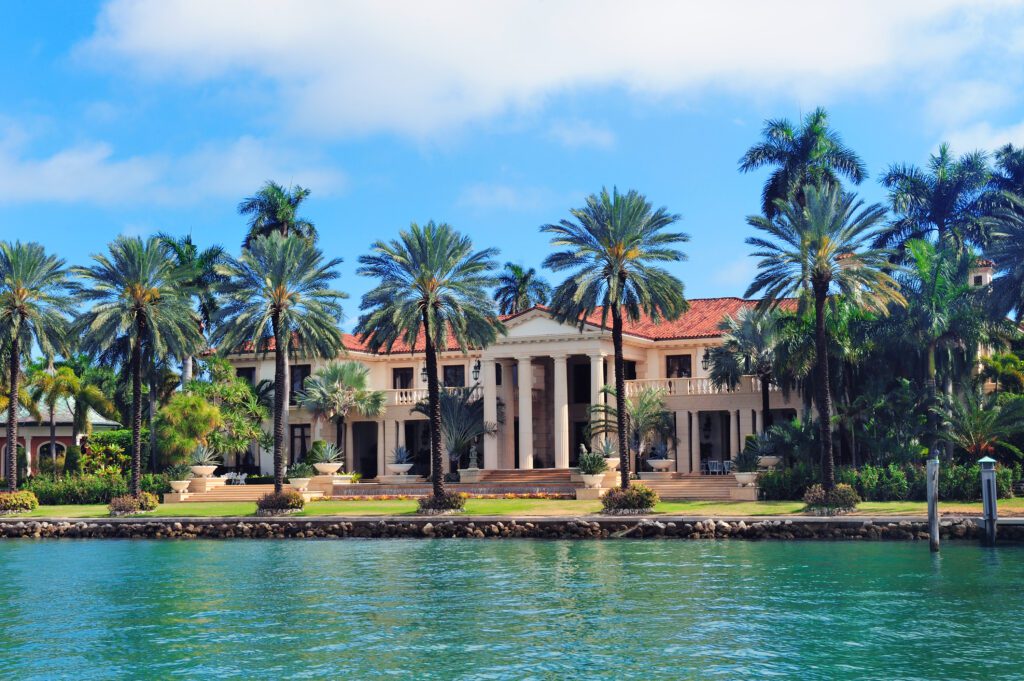
Real estate is among the most visible elements of Canada’s luxury economy.
Vancouver and Toronto continue to be key players in luxury real estate owing to their wealth and global connections, but the luxury market is not confined to Canada’s major cities anymore.
According to recent reports from RE/MAX Canada, the activity for luxury homes increased in a number of smaller and midsize markets, such as Calgary, Edmonton, Saskatoon, Winnipeg and London, in early 2026.
This expansion is very important.
Wealthy consumers are becoming more inclined towards buying homes based on lifestyle, proximity to nature, and privacy. In this case, it may not be the prestige anymore for some consumers that makes a home luxurious, but the lifestyle it offers.
It may also involve beachfront properties, mountain homes, large country houses, or high-end city apartments.
Toronto and Vancouver Continue to Shape Luxury
While the geographical spread of demand is growing wider, both Toronto and Vancouver continue to play pivotal roles in Canada’s luxury sector.
Both of these cities have wealthy consumers and business networks, top-notch retailing and hospitality services, as well as valuable real estate assets.
Toronto is one of the cities where people can enjoy the luxury of an advanced urban environment, including designer shopping, exquisite food, high-end housing, and other luxuries.
Vancouver has its own version of luxury, combining it with proximity to mountains, ocean, nature, and a focus on lifestyle.
The union of city sophistication and natural beauty is what makes Canada a unique place on the international luxury map.
Canadian Luxury Fashion Is Growing
Fashion is another important part of Canada’s premium lifestyle economy.
The international luxury brands have gained a foothold in the big cities of Canada, whereas the Canadian designers and high-end brands have been building their brand identities.
According to the latest market research findings, the luxurious fashion and lifestyle market in Canada is driven by metropolitan cities like Toronto, Montreal, and Vancouver, as well as through online platforms.
Luxury products are now more easily available for Canadian consumers through the internet.
It also means that luxury brands are not totally reliant on physical boutiques. E-commerce, social media, digital clienteling, and personalization are gaining importance in the luxury shopping experience.
Wellness Is Becoming Part of Luxury
Another significant change is the growing links between luxury and wellbeing.
Luxury means having the time, privacy, and the opportunity to invest on oneself for high-end customers.
More people are opting for wellness retreats, luxury fitness centers, spa treatments, organic food, and eco-friendly travel.
Canada, in particular, stands out in this regard.
The country’s mountains, lakes, forests, and coastal areas offer a natural setting for wellness-oriented tourism. This can be achieved through luxury accommodations that integrate premium lodging facilities along with nature-based experiences and wellness programs.
This creates a version of luxury that feels distinctly Canadian.
Experiences Over Possessions
The luxury industry is also heading towards the experience.
Rather than buying yet another expensive product, consumers might prefer to opt for travel, dining, wellness experiences, cultural activities, and personal services.
It does not imply that traditional luxury products are vanishing but rather that the definition of luxury itself is widening.
The luxury handbag, the waterside property, and the exclusive wellness facility could be all forms of luxury, but they each cater to different sides of modern-day luxurious living.
For brands, this means understanding the customer beyond the individual transaction.
The Importance of Exceptional Service
With luxury becoming more experiential in nature, the importance of services is becoming higher.
The demands of affluent clients include convenient service, customization, and a level of detail. They might anticipate that a hotel remembers their preferences, a store knows their taste, or an estate agent gives very customized advice.
This offers an opportunity to Canadian companies that can provide truly personalized experiences.
Where there is competition in the luxury industry, it may not be the product but the experience of the customer in that environment.
Canada’s Natural Advantage
Possibly the greatest luxury resource that Canada possesses is one that is difficult to replicate, and that is its natural environment.
With mountains, forests, lakes, and the coastline to back it up, the perfect setting has been created for luxurious travel, accommodation, real estate, and wellness experiences.
It becomes increasingly important as luxury consumers seek the combination of comfort and nature.
A luxurious residence with views of a lake, a mountain retreat in a private setting, or even a well-being resort amid wilderness provides something that a luxurious city destination can hardly provide.
The geographical location of Canada can thus serve as an important competitive advantage in its luxury economy.
What Comes Next for Canada’s Luxury Market?
The future of Canadian luxury will certainly become more lifestyle-driven than simply based on prestige.
Real estate buyers might value wellness, privacy, and location. Fashion customers might look for an individualized digital experience. Travelers might look for nature retreats instead of luxurious vacations.
Nevertheless, the brands will have to strike a balance between their exclusivity and the increasing demands regarding sustainability and technology.
Even though Canada’s luxury market doesn’t have the same size as the American or European markets, the fact that it has affluent customers, global cities and an amazing environment makes it stand out from the rest.
Conclusion
The market for luxury lifestyles in Canada is at an exciting stage of development.
There have been new trends in luxury property development outside the usual centers, while luxury fashion is growing in its digital aspect, and there is a growing influence of wellness on luxury travel. In the current reports about the market, there is a noted shift in the strategy of luxury companies to concentrate on their customers and prime locations.
Thus, luxury in Canada in the future could be more about making a luxurious lifestyle rather than owning something expensive.
From Vancouver’s nature to Toronto’s urban sophistication, the story of luxury in Canada is getting more diverse—and more fascinating.