
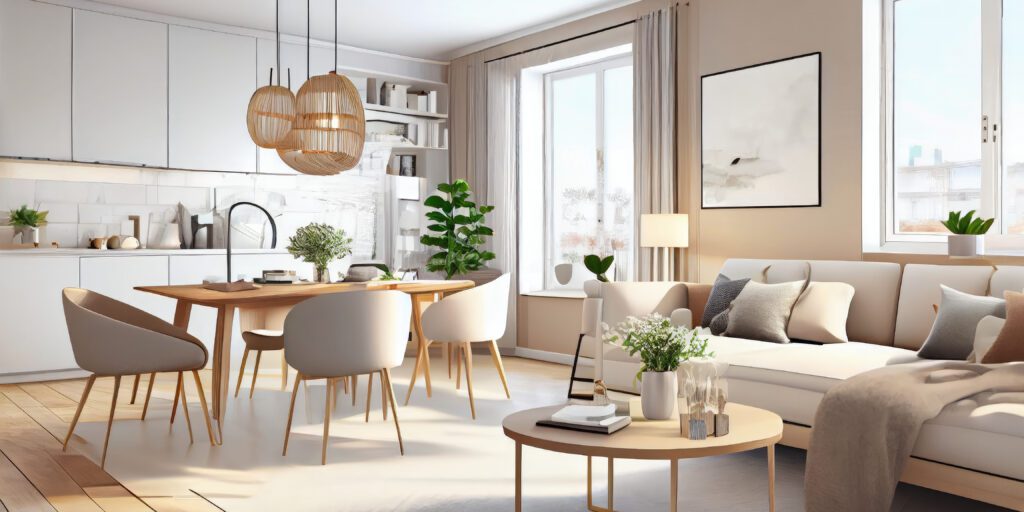
Minimalism has emerged as one of the major movements in modern architecture and interior design, yet there is perhaps no other design philosophy that has been so enduring in its impact as Scandinavian design. Originating in Scandinavia, which includes Denmark, Sweden, Norway, Finland, and Iceland, Scandinavian design has evolved from a regional style into an international benchmark for contemporary lifestyles.
In a time when people go after homes that are pretty much practical and also visually calm, Scandinavian design stays more relevant than ever.
What Is Scandinavian Design?
The Scandinavian Design style was established in the beginning of the twentieth century and earned international acclaim through its simplicity and elegance of design. The design style does not emphasize ornamentation but instead emphasizes creating spaces to enhance everyday living.
The concept is built around the belief that good design should be accessible, comfortable, and practical. Each piece of furniture, the lighting fixture, and even small decorative elements are picked with intent, so that you end up with interiors that feel open, nicely balanced, and quietly welcoming.
This approach has made Scandinavian design kind of one of the most influential interior design styles, across residential, commercial, and hospitality spaces.
Simplicity That Never Goes Out of Style
The reason why Scandinavian designs are becoming popular around the world, despite being centuries old, is due to their timelessness. This design does not focus on trends but rather keeps up with neutral color schemes, simple spaces, and durable materials.
Common features of the Scandinavian interior design include natural wood surfaces, soft materials, big windows, and lots of natural light. These components help create relaxing and cozy spaces while making rooms look bigger and brighter.
This timeless quality makes Scandinavian-inspired interiors kind of an attractive option for homeowners, property developers, and interior designers who are looking for long-term value, not just seasonal trends.
Functionality Meets Modern Living
Contemporary lifestyles require that there be rooms capable of adapting to any changes. In light of this fact, there is no wonder that functional qualities have acquired an equal degree of importance as aesthetical ones.
In response to these requirements, Scandinavian design focuses on smart planning and multi-functional furniture. Space for storage is well incorporated within living spaces, and furniture pieces are made comfortable yet not overcrowding the space.
This balance between beauty and practicality has helped with the broad adoption of Scandinavian principles in homes, offices, hotels, and co-working environments all around the globe.
Sustainability Is Part of the Design Philosophy
Sustainability is something that came to prominence much later when Scandinavian design had already incorporated concepts such as sustainable consumerism and high-quality craftsmanship. The approach is not based on the need to change things regularly but rather on investment in longevity.
Materials such as natural wood, recycled products, energy-saving light fixtures, and environmental production techniques have made their way into many design products inspired by Scandinavian design.
With an increasing emphasis on sustainability among consumers, this design style remains well suited to current trends in interior design.
A Growing Influence on Architecture and Hospitality
The influence of Scandinavian design seems to go farther than just private homes, and it shows up in lots of places. Architects and developers all over the world are folding Nordic-inspired thinking into residential plans, commercial buildings, hotels, and even public areas.
Open floor plans, natural materials, large windows, and blending interior spaces with outdoor areas have become popular in today’s architecture. Scandinavian design is also making its way into hotel and resort design with an emphasis on comfort, relaxation, and simplicity.
This growing influence seems to show that Scandinavian design is not simply a decorating style, it’s more a broad approach for shaping spaces that makes everyday living better.
Why Businesses Are Embracing Scandinavian Design
Companies today understand the importance of office designs for promoting the well-being and productivity of employees. The Scandinavian office design approach incorporates natural lighting, ergonomically designed furniture, collaborative workspace areas, and minimal distractions in the offices.
Retail stores, coffee shops, and hospitality firms also incorporate elements of Scandinavian design in order to establish attractive environments that enhance the experience of their clients and help to build up their identity as a brand.
Scandinavian design is an excellent combination of functionality and aesthetics.
The Future of Scandinavian Design
In the age of increasing importance of technology, sustainability, and wellness, Nordic design continues to adapt while keeping its essence intact. Smart homes, sustainable buildings, environmentally friendly materials, and adaptable interior spaces are becoming integral parts of the Nordic design style.
Instead of chasing the trends, Scandinavian design has proven again that simplicity, good craftsmanship, and practicality never become obsolete.
Its popularity across the world will increase even more in the future since people are increasingly looking for healthy environments, sustainable solutions, and authentic experiences.
Regardless of whether it is residential spaces, corporate spaces, hotels, or commercial projects, Scandinavian design continues to show that good design does not entail excess; it entails creating an environment where people can truly live, work, and thrive.