
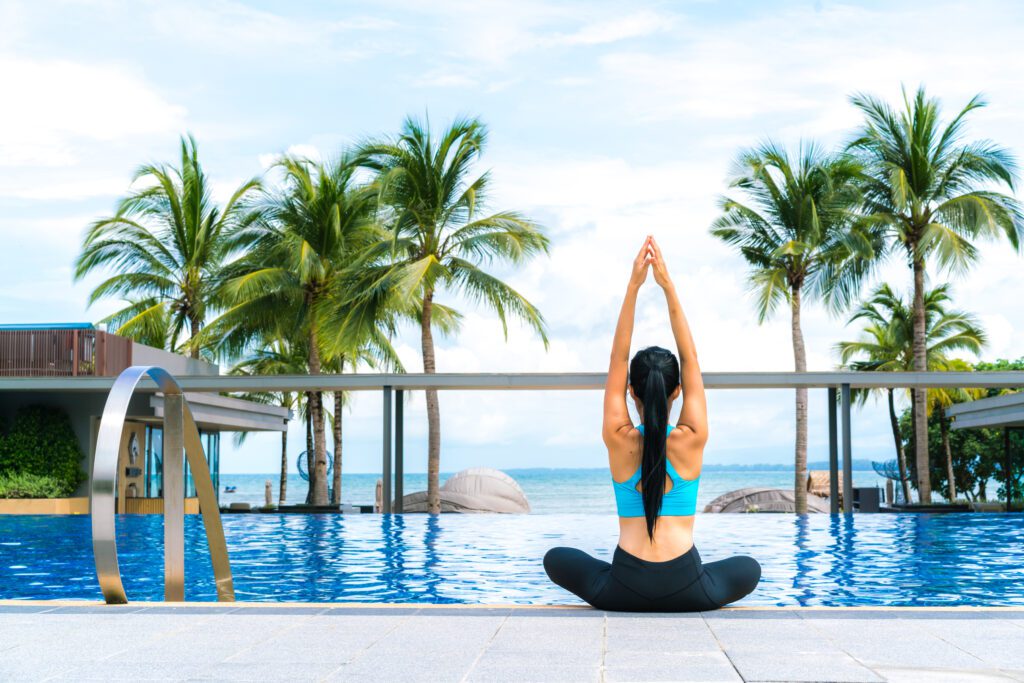
Traveling has long been linked with leisure activities such as sightseeing, relaxation, and visiting new places. However, the manner in which travelers travel is undergoing changes. Nowadays, many travelers seek out vacations that would make them feel more balanced and healthier.
This trend has fueled the boom in luxury wellness travel, which is a niche that offers a combination of luxury and wellness-based experiences.
From private retreats and destination spas to wellness resorts, fitness programs, custom nutrition, and restorative experiences, luxury travel is evolving from merely an escape from your daily routine to a way to return feeling better than ever before.
What Is Luxury Wellness Travel?
Luxury wellness travel blends the luxury and comfort associated with premium hotels with services based on physical and psychological well-being.
Wellness tourism involves individuals not using their holidays to travel and see things but opting for vacations that provide them with spas, fitness, healthy food, meditation, nature, sleep-based programs, and wellness programs tailored to them.
This idea has further developed from mere spa vacations. Luxury wellness now encompasses a lot, from exclusive yoga retreats and wellness villas to fitness centers, thermal experiences, adventure activities, and customized lifestyle programs.
It is more about building an experience rather than providing a particular service.
Why Wellness Has Become Part of Luxury
Luxury itself is evolving.
For decades, luxury tourism has been synonymous with spacious rooms, gourmet cuisine, high-end decor, exclusive locations, and personalized service. Although this is still important, today’s travelers are becoming more focused on the intangible aspect of how they feel when they have the experience.
Time, privacy, good health, adequate sleep, nature, and personal attention have become luxury values.
Thus, a private wellness resort in a serene natural environment is preferable to some people as compared to the traditional luxury vacation.
This evolving definition of luxury is helping to make wellness an increasingly important part of premium hospitality.
The Growth of Wellness Resorts
The global chain of luxury hotels and resorts has taken up the challenge by offering its guests more health and wellness services.
The modern properties have health and wellness centers, spas, yoga studios, healthy restaurants, meditative areas, thermal areas, and outdoor activities.
Further on, some resort establishments are introducing complete wellness programs that can run for several days or even weeks. The clients can be offered individualized programs with movement, nutrition, relaxation, sleep, and natural therapy sessions.
This enables hotels to go beyond being places where people stay and turn into destinations in their own right.
Nature Is Becoming a Luxury
The most intriguing trend in the world of wellness tourism is the increasing recognition of natural environments.
Mountains, forests, beaches, lakes, and isolated rural settings offer an opportunity for tourists to detach themselves from the hustle and bustle of urban life.
Such buildings are now being built to take full advantage of their environment. Large windows, terraces, gardens, natural materials, and wellness areas provide visitors with the opportunity to always be connected the nature.
The destination itself has become an important part of the wellness journey for many people.
Personalisation Is Changing Wellness Experiences
The modern-day luxury tourist is now beginning to look for a package that is tailored to meet their specific requirements.
The hospitality industry, with hotels and wellness retreats leading the way, has been providing more customized programs and not just packaged programs. Recommendations can be made taking into account the guest’s lifestyle, interests, exercise routine, diet, or activities.
Technologies may also play a role in personalization. Wearable technology, sleep monitoring, fitness tests, and wellness platforms are now included in high-end offerings.
What this creates is an individually tailored hospitality experience, which takes into consideration the guest’s preferences.
Wellness and Luxury Hospitality
The rise in popularity of wellness tourism presents great potential for the hospitality sector.
If hotels are successful in integrating wellness into the package, they could end up attracting customers who are ready to pay for the special experience. It could help increase the length of stay and generate extra income by providing spas, wellness programs, fitness facilities, restaurants, and personalized experiences.
Wellness, thus, becomes more than just a complimentary feature for luxury hospitality brands. It becomes a component of their overall branding strategy.
The Role of Food and Nutrition
Food has also taken its place as an integral aspect of the wellness vacation.
Luxury wellness resorts have started introducing themselves with menus that incorporate fresh ingredients, balanced nutrition, local produce, and dietary specifications.
For a number of tourists, healthy food has stopped being something that needs to be forgone on their journeys. Healthy eating has instead become an indispensable aspect of their travelling experience.
It is generating new opportunities for collaborations between chefs, health brands, hospitality firms, and local producers.
The Rise of Digital Detox
Ironically, technology is also responsible for creating the demand for experiences that are free from technology.
Having spent most of their time connected to their smartphones and other digital platforms, travelers are seeking an opportunity to disconnect themselves from the technology around them.
There is also growing interest in retreat facilities that are designed to promote outdoor activities, minimal usage of gadgets, and mindfulness among their guests.
The ability to turn off has itself become a form of luxury.
Where Is Luxury Wellness Travel Heading?
Luxury wellness travel can be predicted to become even more personalized and experiential in the future.
Even as wellness retreats become more technologically sophisticated, there can be an increasing provision for digital detoxification. Architecture would also see an increase in design that uses natural light, outdoor spaces, and sustainable materials.
It is possible that hotels might start considering more extended wellness programs to change people’s lifestyles instead of offering mere temporary relaxation.
Meanwhile, travelers will become choosier about the property they stay at. They won’t just go for a place that has a spa; rather, they will seek places that adopt an authentic approach to wellness.
Conclusion
Luxury wellness travel represents a broader change in how people think about both travel and luxury.
The modern tourist seeks to get experiences that offer more than just scenic views and exceptional service. They need to go back to their homes feeling revitalized, healthier, rejuvenated, and mentally recharged.
This is a tremendous opportunity for the hospitality industry. Hospitality firms that succeed in blending luxury with a wellness experience would stand out in an increasingly competitive global environment.
In conclusion, the new definition of luxury does not necessarily mean having more; rather, it means experiencing life better and spending more time with oneself.