MAC Cosmetics has shaped modern cosmetics more than most beauty brands.
Famous for its bold, bright colors, professional-quality cosmetics, unique packaging, and deep affiliation with makeup artists and popular culture, MAC contributed to the transformation of the consumer perception of cosmetics products.
Instead of offering make-up only as a means of improving your looks, MAC defined itself by creativity, individuality, and expression.
Its rise from a small cosmetics company in Canada to an internationally acclaimed beauty brand is a testament to the power of identity, community, and challenging conventions.
From Makeup Artists to a Global Audience
MAC was formed in Toronto in 1984 by Frank Toskan, who was a makeup artist and photographer, and Frank Angelo, who had connections to the salon industry.
It was born out of necessity. Makeup professionals required makeup products that functioned well in extreme lighting situations and photography conditions.
The founders started building products. They focused on bold color, flexible use, and solid results for work.
What began as a product for makeup artists would ultimately evolve into a beauty brand. Over time, it drew fans across the world.
A Different Approach to Beauty
Right from the start, MAC stood apart from many other cosmetic companies.
Whereas other companies stuck solely to traditional concepts of beauty, this company opted for creativity.
Strong colors, striking effects, and a range of colors played a key role in shaping its identity.
This is what made MAC extremely appealing for make-up artists and other creative individuals; however, the company’s appeal did not limit itself to the beauty industry alone.
People started wearing MAC products not only to appear neat but to explore their identity.
Makeup became a form of creative expression.
The Power of Inclusivity
MAC’s contribution to the makeup industry through the concept of diversity is arguably one of its greatest contributions to the sector.
It is noted to have been popularized by its extensive color palette and for featuring people with diverse backgrounds in its marketing campaigns.
In an era where most makeup brands provided quite a narrow range of shades, MAC emerged as a brand that catered to a far wider market.
The renowned philosophy of being built “For All Ages, All Races, All Sexes” formed an integral part of the corporate identity.
It was not only an advertising slogan but also played an important role in forming a connection between MAC and its consumers who had been marginalized in the mainstream cosmetics industry.
Makeup as Self-Expression
A powerful cultural idea also drove MAC’s success: makeup doesn’t have to follow rules.
It inspired consumers to play around with colours, textures and styles.
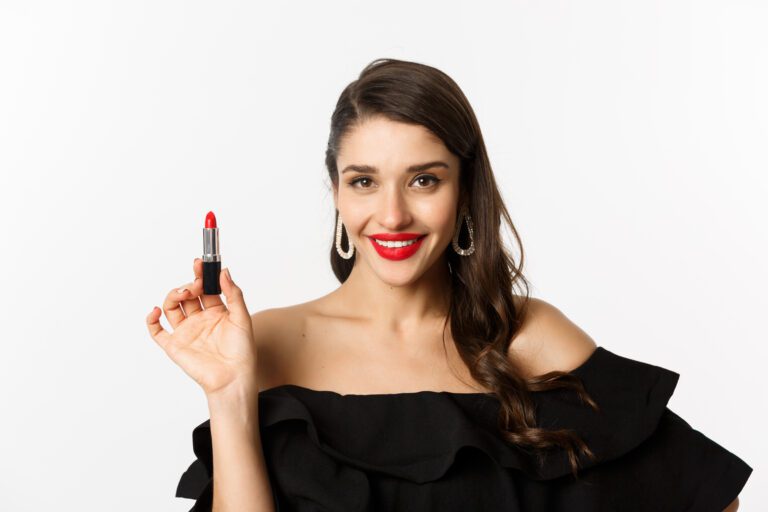
Bold lipstick could serve as an expression. Eyeshadow could form part of a theatrical makeup look. Makeup could depend on one’s mood, personality, occasion, and creativity.
The brand had a special place in beauty due to this philosophy.
MAC allowed consumers to define their own beauty rather than telling them how beauty should be defined.
Building a Community Around Creativity
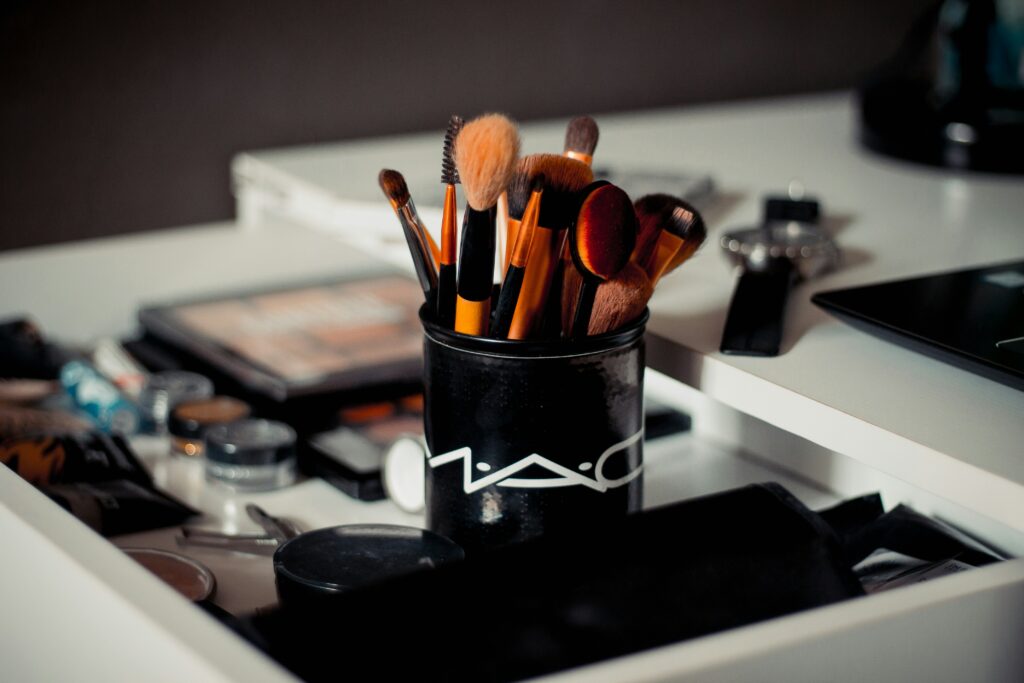
MAC also realized the significance of professional makeup artists.
MAC developed an excellent rapport with makeup artists working in fashion, movies, television, theatre, and photography.
They became significant brand ambassadors.
The MAC cosmetics’ usage by these artists proved the performance of these cosmetics in difficult and artistic situations, and also helped MAC expose itself to more people.
The partnership between MAC and the professional makeup artists became the company’s key competitive advantage.
The brand wasn’t simply selling cosmetics. They were part of the culture that created beauty trends.
Fashion and Beauty Come Together
MAC’s connection with fashion helped further establish its cultural relevance.
It participated in fashion exhibitions and creative work where its products were placed in an area between cosmetics, fashion, and popular culture.
This made it easier for MAC to attract consumers who saw cosmetics as an extension of their fashion sense, and not just as part of their grooming process.
The connection also reinforced the idea that cosmetics could be artistic.
As fashion trends evolved, colors and textures could also change, and makeup artists could re-interpret them in entirely new ways.
The Power of Limited Editions and Collaborations
One thing that made MAC especially successful was its ability to create buzz about new launches and collaborations.
These collaborations and limited edition lines provided an element of discovery and prompted the consumers to interact with the brand.
The brand could collaborate with musicians, designers, entertainers, and other personalities through these launches.
The strategy helped the brand remain dynamic.
Instead of solely relying on its existing product range, the brand kept providing new reasons for customers to visit the MAC world.
A Global Beauty Brand
In time, MAC’s success extended much further than its Canadian roots.
It expanded its business to an international scale and could be found in beauty markets all over the globe.
Being unique in its character, it was fairly simple to identify among other brands around various countries due to its wide range of products.
Global success of its brand showed the strength of the beauty idea which could be beyond cultural limits.
The urge to experiment with makeup is not limited to any particular market.
Creativity is universal.
Technology and the Changing Beauty Experience
As is the case in most industries in the beauty sector, MAC has also entered into a more digital space.
The consumer will be able to find out about the products through social media, beauty influencers, tutorial videos, and online shopping platforms.
Virtual beauty experiences and technology may also assist the consumer in exploring the product before making a purchase.
This has changed how consumers learn about makeup.
In the past, a consumer could have sought assistance from the beauty counter or a magazine. Currently, tutorials and social media can expose a person to a particular product or technique within seconds.
For a brand built around creativity and experimentation, this digital environment creates enormous opportunities.
What Businesses Can Learn From MAC
The success story of MAC can impart many lessons that are not just limited to beauty products.
Firstly, find a problem and resolve it. MAC started by solving the problems faced by professional makeup artists.
Second, build a strong identity. MAC became recognizable because its personality was clear and consistent.
Third, get to know your community. The connection that the brand had with the makeup artists had contributed to its credibility.
Lastly, give customers a way to express themselves. MAC was not just selling products but giving consumers a way to experiment with their identity.
The Future of MAC Cosmetics
The beauty industry keeps changing at an impressive pace.
There are expectations for more personalization, representation, innovation in formulation, responsible manufacturing, and digital excellence.
For MAC, the challenge is to maintain its tradition of creativity while simultaneously adapting to the new generation of consumers in the beauty industry.
Its most valuable advantage is the same concept that made the brand what it is since its inception – makeup can be creative, individual, and unrestricted.
Conclusion
MAC Cosmetics became a global beauty icon by challenging the conventional idea of what cosmetics could represent.
It bridged the gap between professional makeup artistry and the regular consumer, celebrated diversity, worked in conjunction with culture, and made makeup an act of self-expression.
The story shows that even a very strong brand does not need to tell its customers how they should look.
Other times, it can be more effective to allow people the ability to make their own choices.
And that might be MAC’s greatest legacy to beauty in the modern era, transforming makeup into a form of self-expression rather than just cosmetics.