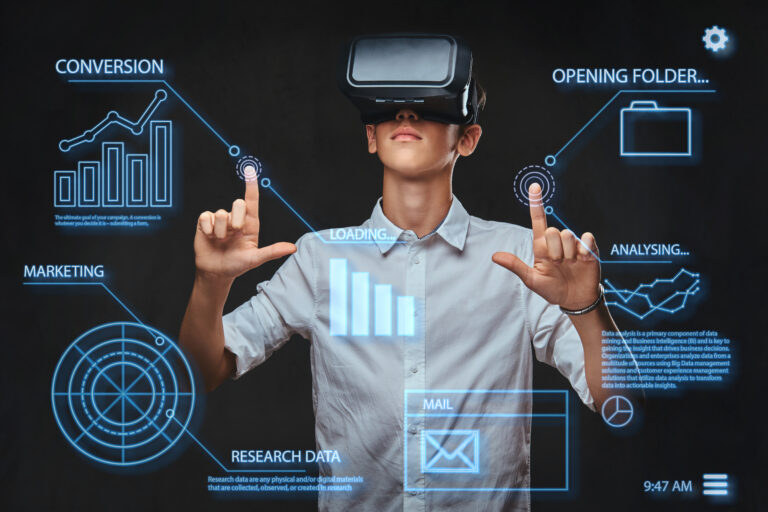
In today’s competitive eCommerce landscape, personalization is more than just a buzzword. It’s a crucial strategy for attracting, engaging, and retaining customers. Personalized shopping experiences allow retailers to stand out by offering consumers exactly what they want when they want it. With advancements in AI, data analytics, and machine learning, creating tailored shopping experiences has never been easier or more effective. In this blog, we’ll explore how eCommerce businesses can leverage personalization to drive better results and foster stronger customer relationships.
1. What is Personalization in eCommerce?
Personalization refers to the process of customizing the shopping experience for individual customers based on their preferences, behaviours, demographics, or past interactions with a brand. This approach goes beyond simply addressing customers by their names in emails—it includes offering relevant product recommendations, personalized discounts, dynamic pricing, and tailored content that enhances the shopping experience.
2. Why is Personalization Important in eCommerce?
There are several reasons why personalization has become a critical component of modern eCommerce strategies:
- Increased Conversion Rates: Personalized experiences make customers feel understood, which encourages them to make a purchase. According to studies, personalized product recommendations can significantly increase conversion rates.
- Enhanced Customer Loyalty: By offering tailored experiences, customers are more likely to return to your store. Personalized shopping makes customers feel valued and appreciated, which can foster long-term loyalty.
- Higher Average Order Value: Personalization leads to more effective upselling and cross-selling, increasing the average order value.
- Improved Customer Satisfaction: A personalized shopping experience makes customers feel like the brand “gets them,” resulting in more positive interactions and higher satisfaction levels.
3. Key Strategies for Personalizing the Shopping Experience
Now that we understand the importance of personalization, let’s dive into some of the key strategies that can help eCommerce businesses create tailored shopping experiences.
a. Product Recommendations
One of the most common forms of personalization in eCommerce is product recommendations. By analyzing customers’ browsing history, purchase behaviour, and preferences, you can suggest products that are most relevant to them.
- Dynamic Recommendations: Implement algorithms that provide real-time recommendations based on the products a customer is currently viewing. For example, showing related products or “customers who bought this also bought” suggestions can prompt customers to purchase more items.
- Personalized Email Recommendations: Use customer data to send personalized product recommendations through email. These could be based on recent searches, past purchases, or wishlist items that were left behind.
b. Tailored Content and Messaging
Personalized content can create a unique experience for every visitor to your site. This could include dynamic banners, customized landing pages, or targeted promotions. Here’s how to do it:
- Behaviour-Based Content: Use customers’ behaviour on your site to personalize content. For instance, if a customer spends a significant amount of time on a particular category, display banners or featured products from that category on their next visit.
- Geolocation Targeting: By detecting the customer’s location, you can provide personalized offers based on local trends, weather conditions, or promotions relevant to their region.
c. Personalized Pricing and Discounts
Offering personalized discounts or pricing can create a more compelling reason for customers to complete their purchase.
- VIP Programs: Reward loyal customers with special discounts, early access to sales, or exclusive deals based on their purchase history or engagement with your store.
- Personalized Coupons: Send personalized coupons or discounts based on a customer’s preferences or cart value. For example, if a customer has been eyeing a particular product, sending a time-limited discount could prompt them to finalize the purchase.
d. Customer Segmentation
Segmentation is the process of dividing your customer base into smaller groups based on shared characteristics such as purchase behavior, demographic data, or browsing habits. With segmentation, you can offer more targeted experiences for each group.
- Demographic Segmentation: Personalize based on age, gender, or location. For example, you might offer different products or promotions to male and female customers, or tailor your messaging for customers in different regions.
- Behavioral Segmentation: Based on how customers interact with your site, you can create personalized experiences for different behavioral segments. For example, a first-time visitor might see a welcome offer, while a returning customer might receive product recommendations based on their past purchases.
e. Customized User Interface (UI)
The user interface is often the first thing a customer interacts with when they visit your website. A customized UI can make the shopping experience feel more personalized and intuitive.
- Personalized Homepage: Depending on what customers have browsed or purchased in the past, show them relevant products or categories directly on the homepage. The more aligned the homepage is with their interests, the more likely they are to engage with it.
- Saved Preferences: Allow customers to save preferences, such as preferred product types, sizes, or color choices, so that they can easily navigate to items they’re most interested in.
4. Leveraging Data for Personalization
The foundation of effective personalization is data. Collecting and analyzing data from various touchpoints—such as website interactions, social media, email campaigns, and even offline interactions—allows you to tailor the shopping experience to each individual.
- Behavioral Data: Track how customers are interacting with your website, what they click on, what products they view, and how long they stay on certain pages. This will help you predict what they might want to purchase next.
- Transaction Data: Analyzing past purchases gives insights into customer preferences. If someone frequently buys a specific type of product, you can recommend similar items or offer them personalized discounts related to that category.
- Third-Party Data: Utilize data from third-party platforms such as social media or CRM systems to understand your customers better and create more targeted campaigns.
5. Challenges of Personalization in eCommerce
While personalization is a powerful tool, there are a few challenges that businesses need to consider:
- Data Privacy Concerns: With increasing concerns about data privacy, it’s crucial to ensure that customer data is handled ethically and securely. Be transparent with customers about how their data is being used and provide them with control over their preferences.
- Technology and Costs: Implementing personalization features, especially at scale, can be resource-intensive. Businesses need to invest in the right technology and ensure they have the right tools in place to collect, analyze, and act on customer data.
- Over-Personalization: While personalization is important, it’s crucial not to overwhelm customers. Bombarding them with too many recommendations or excessive emails can lead to a negative experience.
6. The Future of Personalization in eCommerce
The future of personalization in eCommerce is bright. As AI, machine learning, and big data technologies continue to evolve, personalization will become even more refined and predictive. Imagine a shopping experience where every interaction is seamlessly tailored to your individual preferences, and your shopping journey feels uniquely curated.
As consumer expectations continue to rise, personalized eCommerce will likely shift towards hyper-relevant, individualized experiences that create long-lasting customer loyalty.
Conclusion
Personalization is no longer optional for eCommerce businesses—it’s a necessity. By leveraging customer data and advanced technologies, businesses can create tailored shopping experiences that drive engagement, increase conversions, and build lasting customer relationships. Whether it’s through personalized product recommendations, dynamic content, or custom pricing strategies, eCommerce businesses that embrace personalization are poised to stand out in a crowded marketplace. As customer expectations continue to evolve, those who adapt and provide exceptional personalized experiences will lead the way to success.