
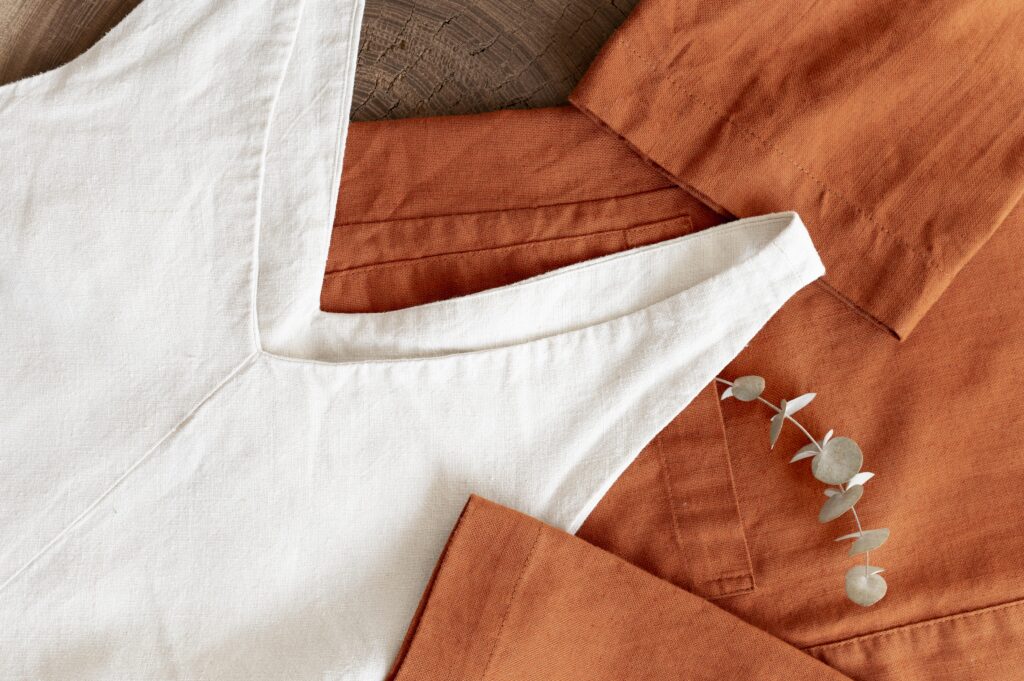
Sustainable fashion has emerged as one of the most significant transformations that currently shape global fashion markets. The demand for sustainable clothing and eco-friendly materials and responsible fashion brands continues to increase as consumers develop greater awareness of environmental and ethical issues. The niche movement which existed as an underground trend now creates its impact on global fashion movements.
Sustainable fashion has emerged as a significant change in consumer behavior. Modern buyers are no longer focused only on style and affordability. They are also paying attention to how clothing is produced, where materials come from, and the long-term impact of fashion consumption. The increasing public knowledge of these issues is driving companies to transform their standard manufacturing processes into sustainable production methods.
The fast fashion industry operated through its business model, which generated cheap clothing products at a rapid production rate for many years. The fashion industry became more accessible to people through this development, yet it resulted in major environmental problems because of excessive waste and production activities. The rising interest in sustainability has started to change consumer behavior as people now choose high-quality products instead of fast fashion items.
The primary reason that sustainable fashion is becoming popular around the world stems from the rising need for transparent information. Consumers want to know how products are made and whether brands are following ethical manufacturing practices. Fashion companies are now expected to provide greater visibility into their supply chains, sourcing methods, and production standards.
The connection between sustainable fashion and current lifestyle changes is becoming stronger. The popularity of minimalism, capsule wardrobes, and timeless fashion design is increasing because consumers want to shop more purposefully. People now choose to buy flexible fashion items that offer extended usability rather than purchasing numerous items that follow current fashion trends.
Fashion brands are also adapting to this shift by launching environmentally sustainable lines that use sustainable materials. The industry now uses recycled fabrics, organic cotton, and vegan leather substitutes, and environmentally friendly manufacturing methods as standard materials. Companies are recognizing that sustainability is no longer just a branding strategy—it is becoming an important part of long-term business growth.
Sustainable fashion develops through technological advancements, which create new possibilities for its future. Brands achieve waste reduction and operational efficiency improvements through innovations in textile development and manufacturing methods. Digital tools enable consumers to conduct brand research more efficiently, which helps them to make better purchasing decisions.
Social media has further accelerated the growth of sustainable fashion trends. Instagram and TikTok platforms work together to raise public awareness about ethical fashion, conscious consumerism, and environmentally responsible brands. Influencers and creators are helping people develop sustainable shopping practices that support worldwide sustainability efforts.
Younger generations, particularly Millennials and Gen Z consumers, are driving much of this change. The target audience of these brands chooses their products based on three values, which they consider essential for authentic brand identification. Fashion today serves a dual purpose for consumers because it functions as a visual display and as a means to express personal values together with individual identity.
Sustainable fashion has experienced growth, yet it continues to encounter multiple obstacles. Sustainable products are often more expensive than mass-produced alternatives, which can limit accessibility for some consumers. The problem of greenwashing has grown because companies use sustainability marketing without implementing real changes to their business practices. People now understand more about sustainable practices, which has made them better at recognizing brands that truly meet their environmental obligations.
The future of sustainable fashion maintains its strong potential despite existing obstacles. The fashion industry keeps experiencing changes because of international discussions that focus on climate change, waste reduction, and responsible consumption. The brands that achieve successful integration of style, quality, and sustainability will establish stronger consumer trust in future years.
The worldwide interest in sustainable fashion has risen because it demonstrates an environmental movement that has become a cultural trend of responsible living. The way consumers shop now shows that they think more deeply about their product choices and their environmental and social consequences. The fashion industry will continue to develop its future through sustainability practices, which will become increasingly important in the upcoming years.